
Directional Drilling Stevenage Services by Atlas Gas
Atlas Gas supports directional drilling and horizontal drilling enquiries for Stevenage service-area projects where trenchless installation may be more practical than a continuous open trench. The method can be useful for pipe or duct routes beneath driveways, paths, landscaped areas and other finished surfaces.
Suitability depends on the route, ground conditions, access, bore distance, service checks and the size of pipe or duct being installed. Atlas Gas can review those points before recommending directional drilling, moling or another installation approach.
Horizontal directional drilling uses a planned underground bore to install pipes or ducts with smaller entry and exit excavations. A guided pilot bore follows the proposed route and the service is then drawn back through the bore once the path is ready.
For Stevenage projects, trenchless drilling can reduce surface disruption compared with digging a full trench, but it still needs sensible planning. Existing services, reinstatement needs, ground type and available working space all influence whether the approach is right for the site.
Atlas Gas operates compact directional drilling equipment for confined sites and utility routes where reducing excavation is important. For Stevenage and nearby service-area projects, the team can discuss:
Because the equipment works from entry and exit points rather than a full open trench, reinstatement can be simpler where the site is suitable. The drilling method and support fluids are selected around the ground conditions and the service being installed.
Every route still needs a site-specific check. The planned bore path, nearby services, available launch and reception areas, and reinstatement expectations should be reviewed before work is agreed.
Directional drilling in the Stevenage service area may be considered for:
Subject to ground conditions, access and service checks, short to medium distance bores can be planned for appropriate pipe and duct sizes.
A useful enquiry normally starts with the route rather than the equipment. The more clearly the route is described, the easier it is to decide whether a trenchless method is suitable.
Photos, sketches or marked-up drawings can help show the start point, finish point, surface type and any areas that need protecting. This is especially helpful where the route passes close to buildings, gardens, paths, walls or existing utility positions.
Access is just as important as distance. The team needs to understand where a launch area and receiving area could be formed, whether vehicles or compact equipment can reach the working area, and how spoil and reinstatement should be handled.
Ground conditions, service records and practical site checks influence the recommendation. If a continuous bore is not the best answer, Atlas Gas can discuss whether moling, a shorter bore, local excavation or another installation method is more sensible.
For Stevenage service-area enquiries, this planning stage helps keep the conversation factual: the route, surfaces and constraints decide the method, not a generic promise that one technique suits every site.


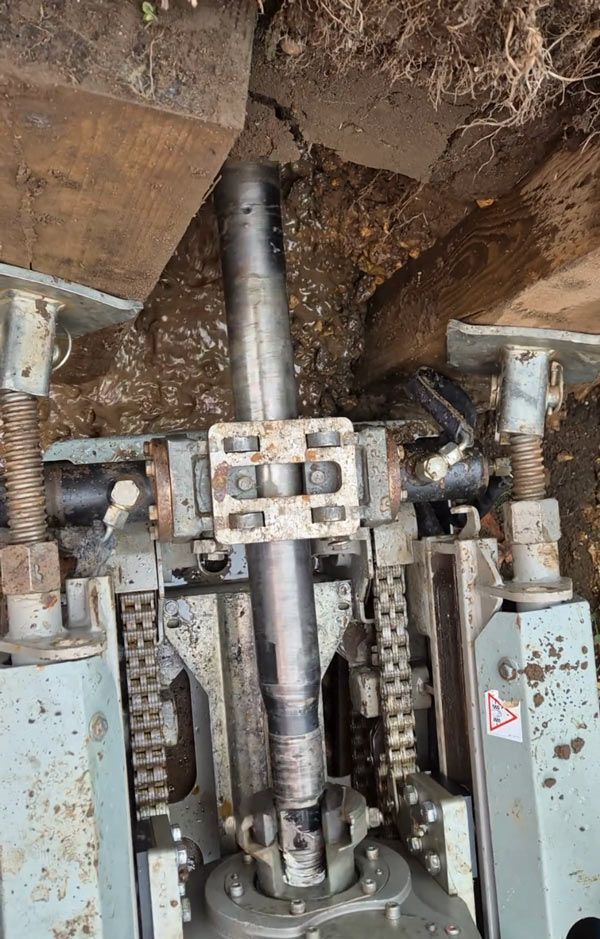

Review the route, existing services, surfaces and access before choosing a drilling setup.
Plan practical entry and exit points so excavation stays limited and controlled.
Create a guided bore along the agreed underground route.
Open the bore to the right size where the pipe or duct requires it.
Draw the service through the prepared bore with care around friction and alignment.
Complete connection points and discuss reinstatement around the site condition.
These points help property owners, contractors and site teams prepare the right information before asking about a trenchless route.
The start point, end point, bore distance and affected surfaces shape whether directional drilling is practical.
Known buried services, ground type and access restrictions must be considered before a drilling method is confirmed.
Atlas Gas can discuss whether moling, horizontal directional drilling or another installation method best fits the Stevenage project.
If you are planning a directional drilling or trenchless installation project in the Stevenage service area, get in touch with the route details, surface type and access constraints. Atlas Gas can help confirm whether the approach is suitable.