A commercial gas pipework pressure test is a controlled check that shows whether a section of pipework can safely hold pressure before it is brought into use, returned to service or moved on to the next stage of work.
For site managers, facilities teams and contractors, the useful question is often practical: what will the engineers actually do on site, what will they need access to and what happens if the test result is not acceptable?
What the pressure test is trying to prove
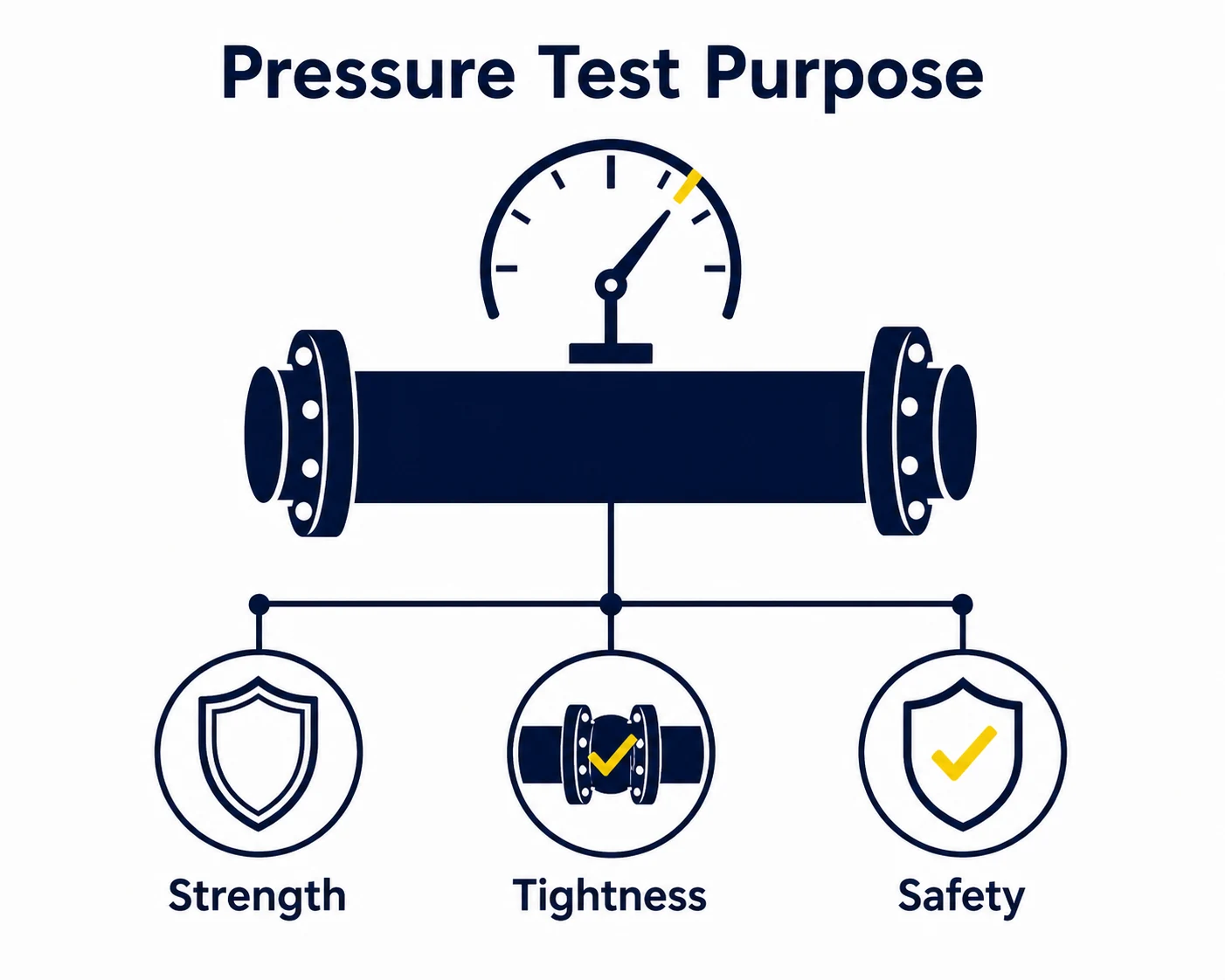
A pressure test is designed to confirm that commercial gas pipework is sound under controlled conditions. The engineer is looking for evidence that the pipework can hold the required test pressure for the required period, with no unacceptable loss shown on the gauge or test equipment.
This is not the same as a quick smell check or a visual inspection. Visual checks are still useful because damaged fittings, unsupported pipework, open ends, poor access or missing labels can all affect the job. However, the pressure test gives a measurable result. It allows the engineer to make a decision based on recorded pressure behaviour, not guesswork.
Commercial sites vary widely. A test might involve a new pipework installation, an altered section of pipe, a system that has been isolated for work, or pipework that needs to be assessed before purging. The exact method depends on the installation, the pipework volume, the test medium, the intended operating pressure and the condition of the system.
For a broader understanding of the service context, Atlas Gas provides a detailed explanation of its commercial gas testing and purging service, including how testing complements commissioning and recommissioning work.
Site preparation and isolation
The first stage is usually planning and isolation. Before pressure is applied, the engineer must understand which section of pipework is being tested and what must be separated from live gas supplies, appliances, meters, regulators, or other equipment that should not be part of the test.
Isolation is important because a pressure test must be controlled. The engineer may need to close valves, fit caps or plugs, disconnect appliance connections, confirm open ends are sealed and make sure the tested section is clearly defined. On a busy commercial site, this also means coordinating with site contacts so that staff, contractors and building users understand which areas or services are temporarily affected.
Good preparation reduces disruption. Access routes, valve locations, risers, plant rooms, ceiling voids and external pipe runs may all need to be available. If parts of the pipework are boxed in, hidden or difficult to identify, the engineer may need extra time to trace the layout before the test can begin.
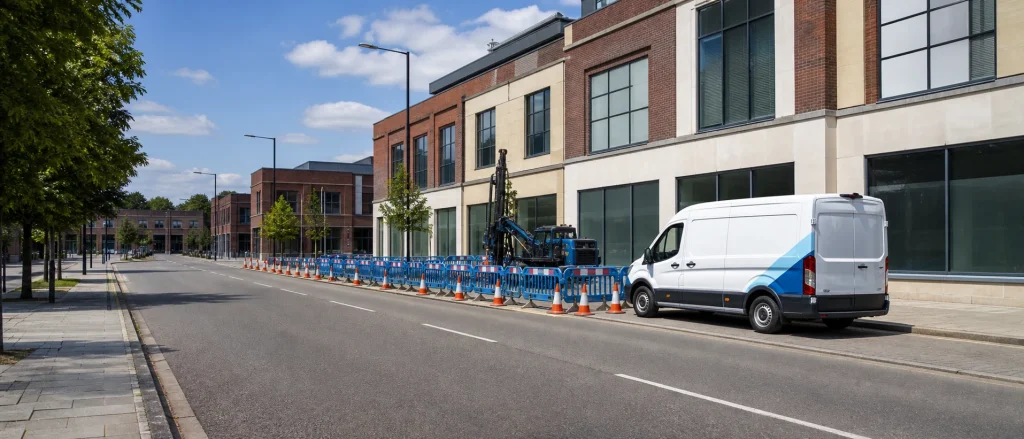
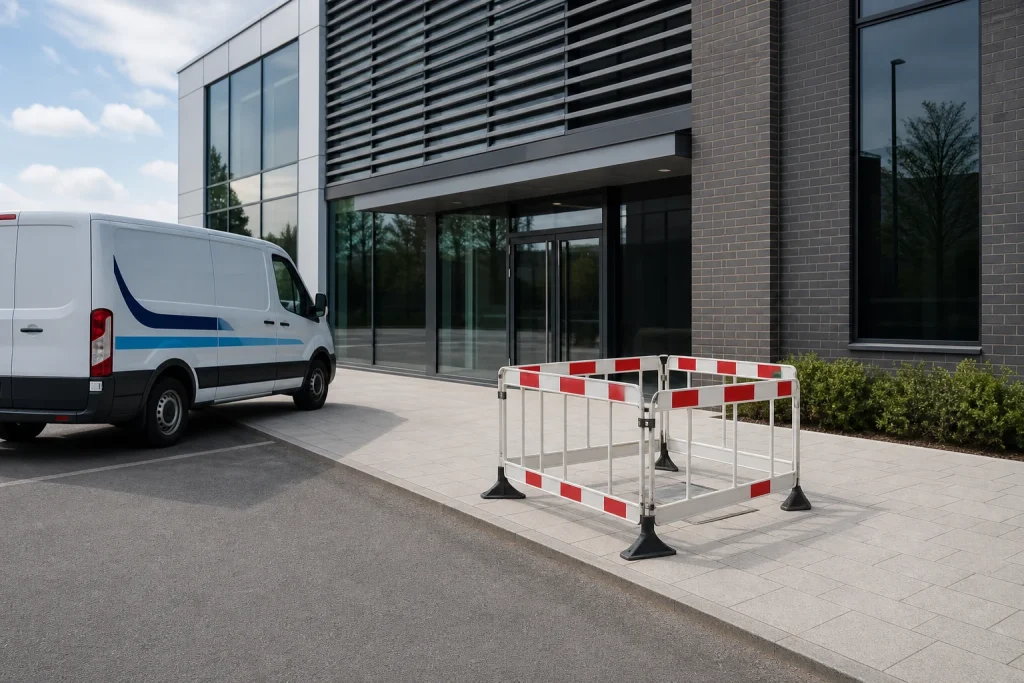
The site should also be kept controlled while the work is taking place. That can include barriers, signs, permits, communication with other trades and a clear method for preventing unauthorised operation of valves or equipment. The aim is simple: keep the test section stable, visible where possible and protected from interference.
Fitting gauges and applying test pressure
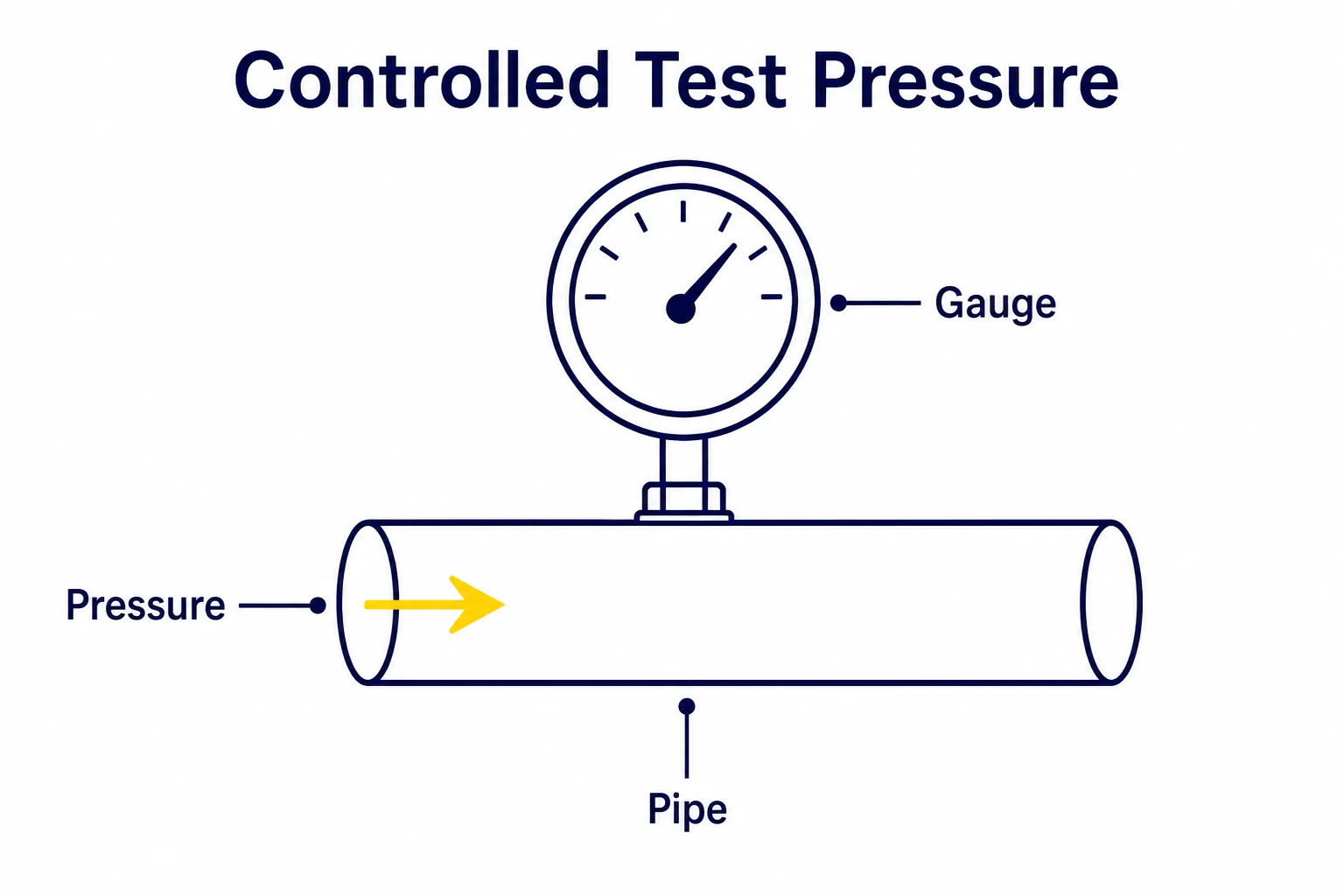
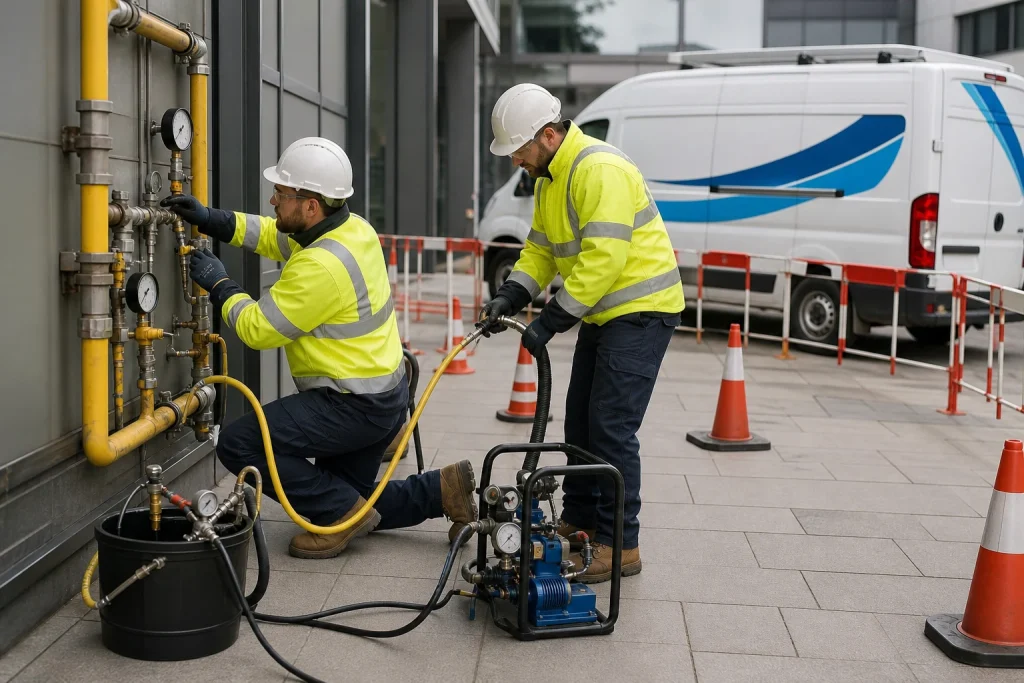
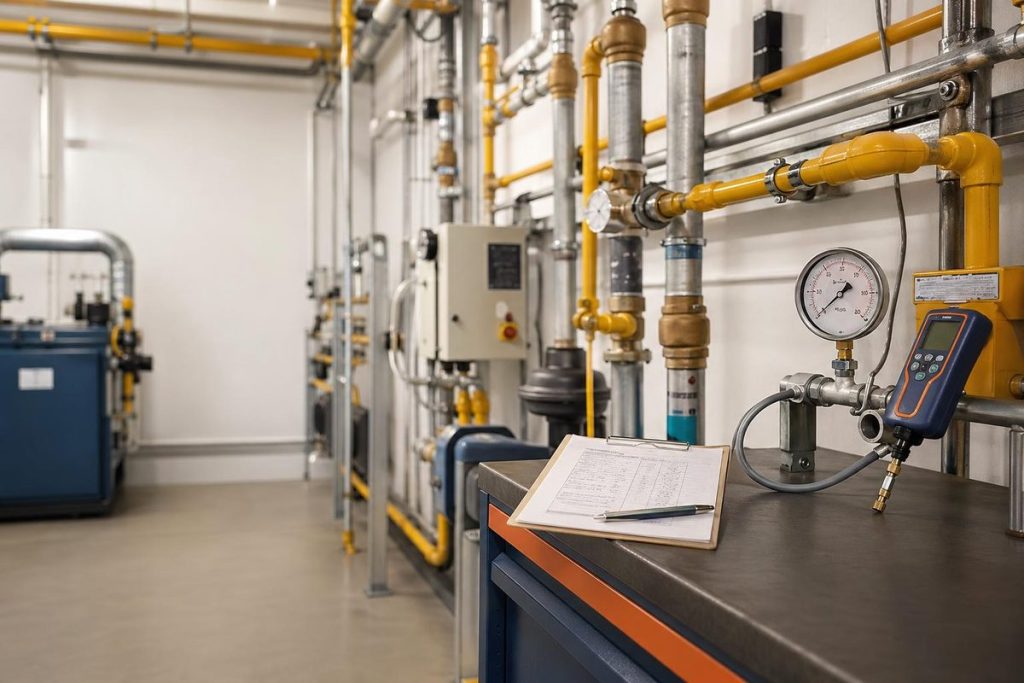
Once the test section is isolated, the engineer connects suitable test equipment. This will usually include a calibrated pressure gauge, manometer or digital instrument appropriate for the pressure range being used. The equipment needs to be suitable for the job because small changes in pressure matter, especially where a system has a large volume or the test pressure is low.
The pipework is then pressurised in a controlled way. The engineer does not simply apply pressure and walk away. They watch how the system responds, allow for stabilisation where required and make sure the pressure is being read correctly. Temperature changes, trapped air, flexible hoses and the size of the pipework can all affect readings, so the result has to be interpreted by someone who understands commercial gas systems.
During the test, the engineer will normally record the starting pressure, test duration and final pressure. They may also note the equipment used, the section tested, the conditions on site and any observations that could affect the result. These records matter because they create a clear audit trail for the client, principal contractor or responsible person.
Where the test relates to new or altered pipework, the result can also influence whether the system is ready for the next stage. If you want background on the relationship between testing and purging, this guide to why commercial gas pipework is tested and purged before use explains the safety reasons behind the sequence.
What engineers check during the test
The main measurement is pressure loss, but engineers are also looking at the behaviour of the system as a whole. A stable reading suggests the pipework is holding pressure as expected. A falling reading may point to leakage, movement in the test setup, an issue with an isolation point or another problem that needs investigation before the system can proceed.
The engineer will usually check visible joints, valves, test connections and any recently worked sections. They may use approved leak detection methods where appropriate, but the pressure test itself is the key evidence. If the pressure does not hold, the engineer must treat the result seriously and avoid moving on as if the pipework has passed.
There are also practical checks around the installation. Pipework should be adequately supported, protected from damage and arranged so that future inspection and maintenance can be carried out sensibly. A pressure test is not a full redesign review, but obvious defects, unsafe conditions or incomplete work cannot be ignored.
On existing commercial systems, a failed or uncertain test may lead to further investigation. In some cases, targeted leak tracing is a better next step than opening up large areas without evidence. Atlas Gas also covers how commercial gas leak tracing can avoid unnecessary excavation when the route or fault location is not obvious.
How pass, fail, and further action decisions are made
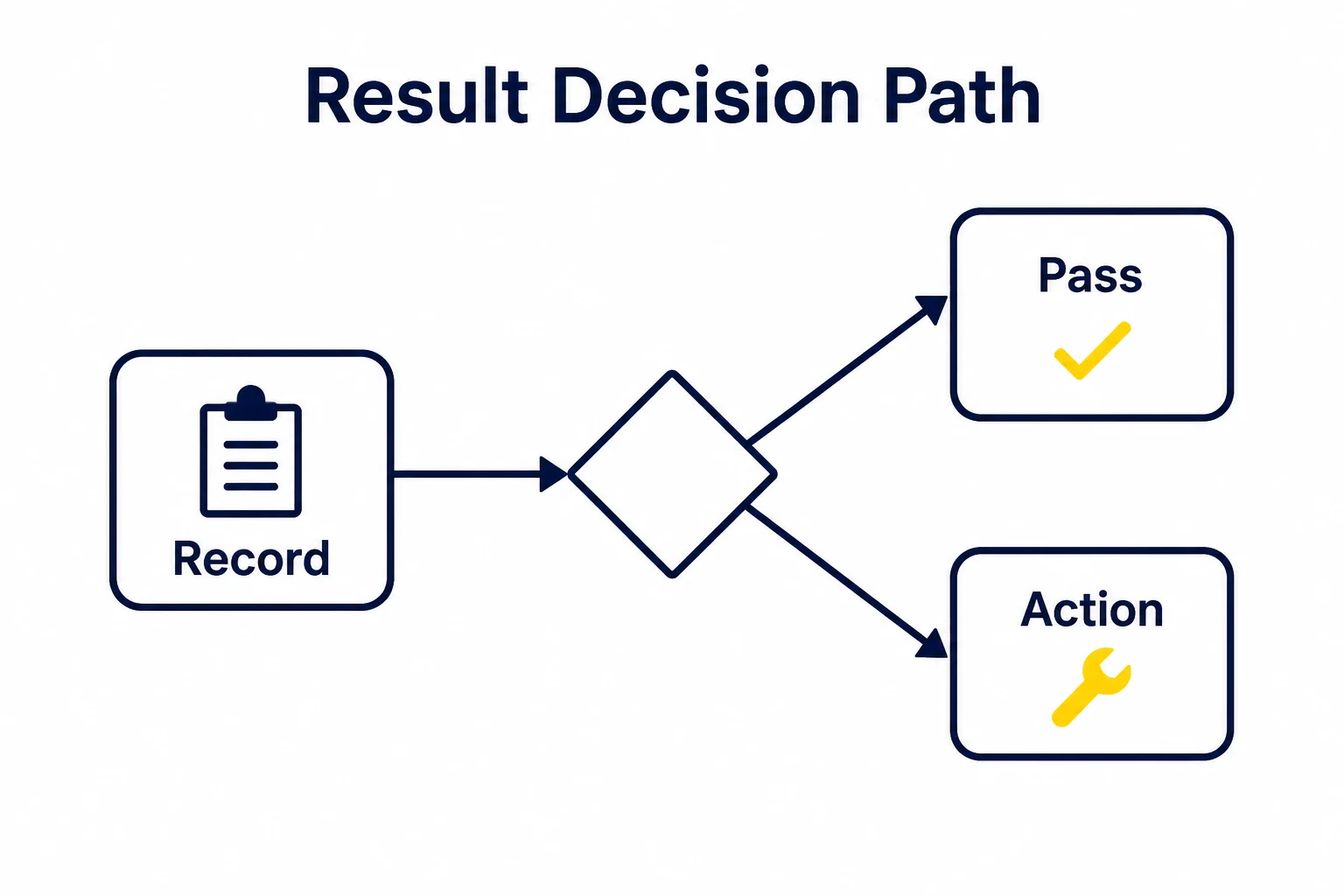
A pressure test is not passed because the pipework looks tidy or because the site needs the gas back on. It passes when the test has been completed correctly, and the recorded result is acceptable for the system being tested.
If the result is acceptable, the engineer can confirm that the tested section has met the required pressure holding check. Depending on the job, that may allow the pipework to proceed to purging, commissioning, reconnection or another planned stage of work. The site contact should receive a clear explanation of what was tested, what the result showed and whether any limitations apply.
If the result is not acceptable, the pipework should not be treated as ready for use. The engineer will decide the next steps based on the nature of the pressure loss, the site setup and the suspected cause. That might mean checking the test arrangement, tightening or remaking an accessible joint, isolating smaller sections to narrow down the issue or recommending repair work.
Where repairs are needed, the important point is to keep the process controlled. Repair, test again, record the result, and only proceed once the pipework has demonstrated that it can hold pressure correctly. For a broader safety context, this article on common commercial gas safety risks explains why structured checks are so important on occupied and operational sites.
What clients should expect on the day?
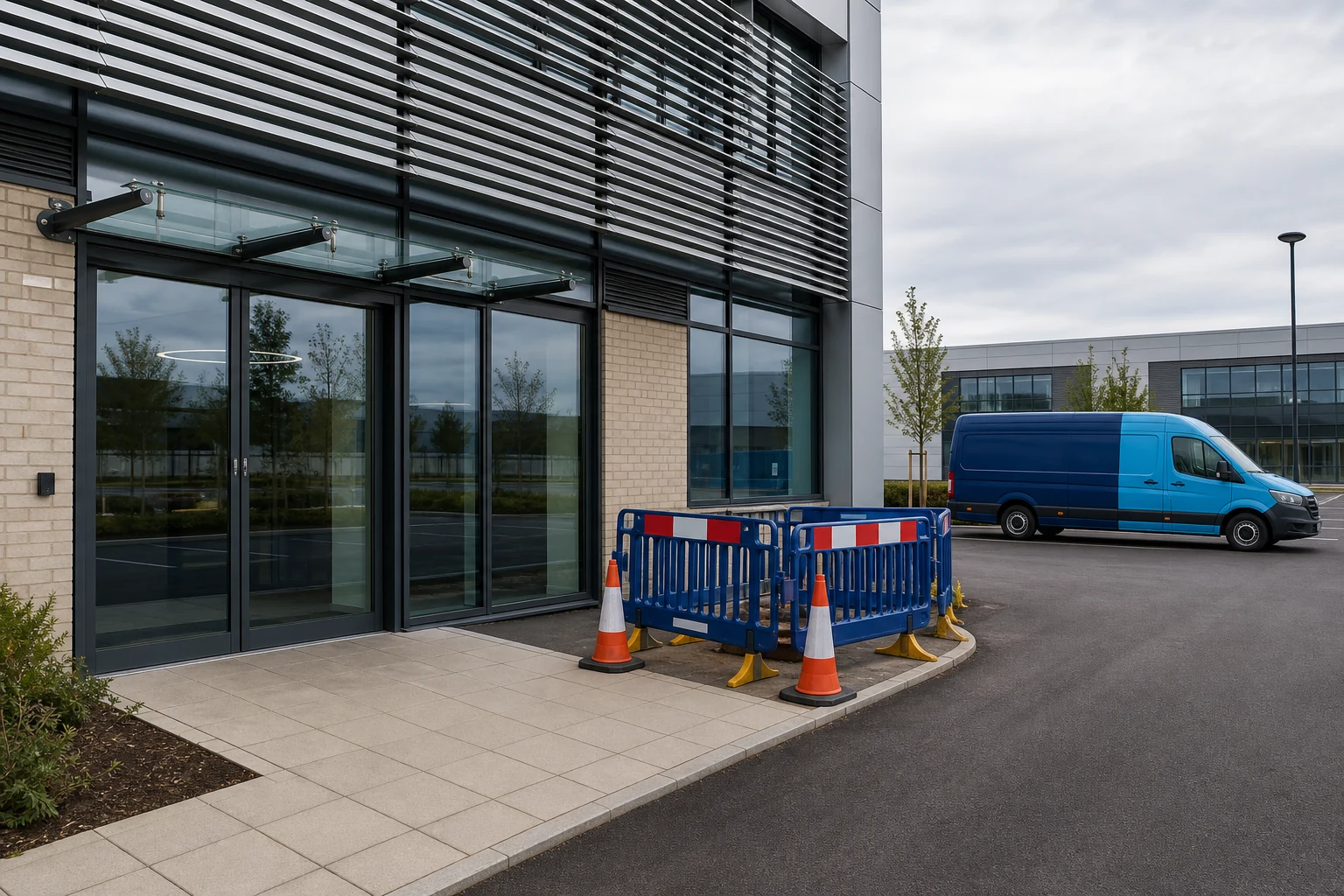
A well run pressure test should feel organised. The engineer should confirm the scope, agree on access, identify the test section, control isolation and explain any temporary effect on gas supplies or connected equipment.
Clients should be ready to provide access to plant areas, valve positions, drawings if available and a suitable site contact who can make decisions if unexpected issues are found. If other trades are working nearby, coordination helps avoid accidental disturbance of valves, test hoses or open pipework.
The work may involve periods where the engineer is observing readings rather than physically adjusting equipment. That observation time is part of the test. It is how pressure behaviour is checked properly and how the final result is supported by evidence.
At the end, you should expect a clear outcome. The pipework has either achieved an acceptable result, needs further investigation, or requires repair before it can move forward. That clarity is the real value of the process. It turns a hidden safety question into a documented engineering decision.
- A commercial gas pipework pressure test checks whether a defined section of pipework can hold pressure under controlled conditions.
- Isolation, access and clear site communication are essential before pressure is applied.
- Engineers use suitable gauges or test instruments and record the result, rather than relying on visual checks alone.
- A satisfactory test result can allow pipework to proceed to purging, commissioning or reconnection where appropriate.
- If pressure loss is found, the pipework should be investigated or repaired, then tested again before it is treated as ready.
Frequently asked questions
Does a commercial gas pressure test mean the gas supply has to be turned off?
Usually, the section being tested must be isolated from live gas supplies and connected equipment. The exact effect on the site depends on the layout, valve positions and scope of work. A competent engineer should explain what will be affected before the test starts.
Can pipework be purged if the pressure test does not pass?
No. If the tested section does not achieve an acceptable result, it should not move on to purging as though it is sound. The issue needs to be investigated, repaired where necessary and tested again.
What records should be kept after the test?
Records commonly include the section tested, test pressure, duration, start and finish readings, equipment details and the outcome. These records help site managers and responsible persons show what was checked and what decision was made.
What happens if the engineer finds a leak during testing?
The engineer will keep the situation controlled, explain the finding and recommend the next step. That may involve checking the test setup, narrowing the fault to a smaller section, carrying out repair work or arranging more detailed leak tracing.
Need commercial gas pipework tested?
Atlas Gas can help plan and carry out commercial gas pipework pressure testing, with clear records and practical guidance on the next step after the result.