Occupied commercial premises need careful gas work. People may still be using parts of the building, equipment may be critical to daily operations, and any interruption has to be planned rather than left to chance.
Controlled gas purging helps make that possible. It provides a structured way to remove gas from pipework, introduce gas safely when required, manage ventilation, protect people nearby and hand the system back with clear checks in place.
Why occupied sites need a controlled purging plan
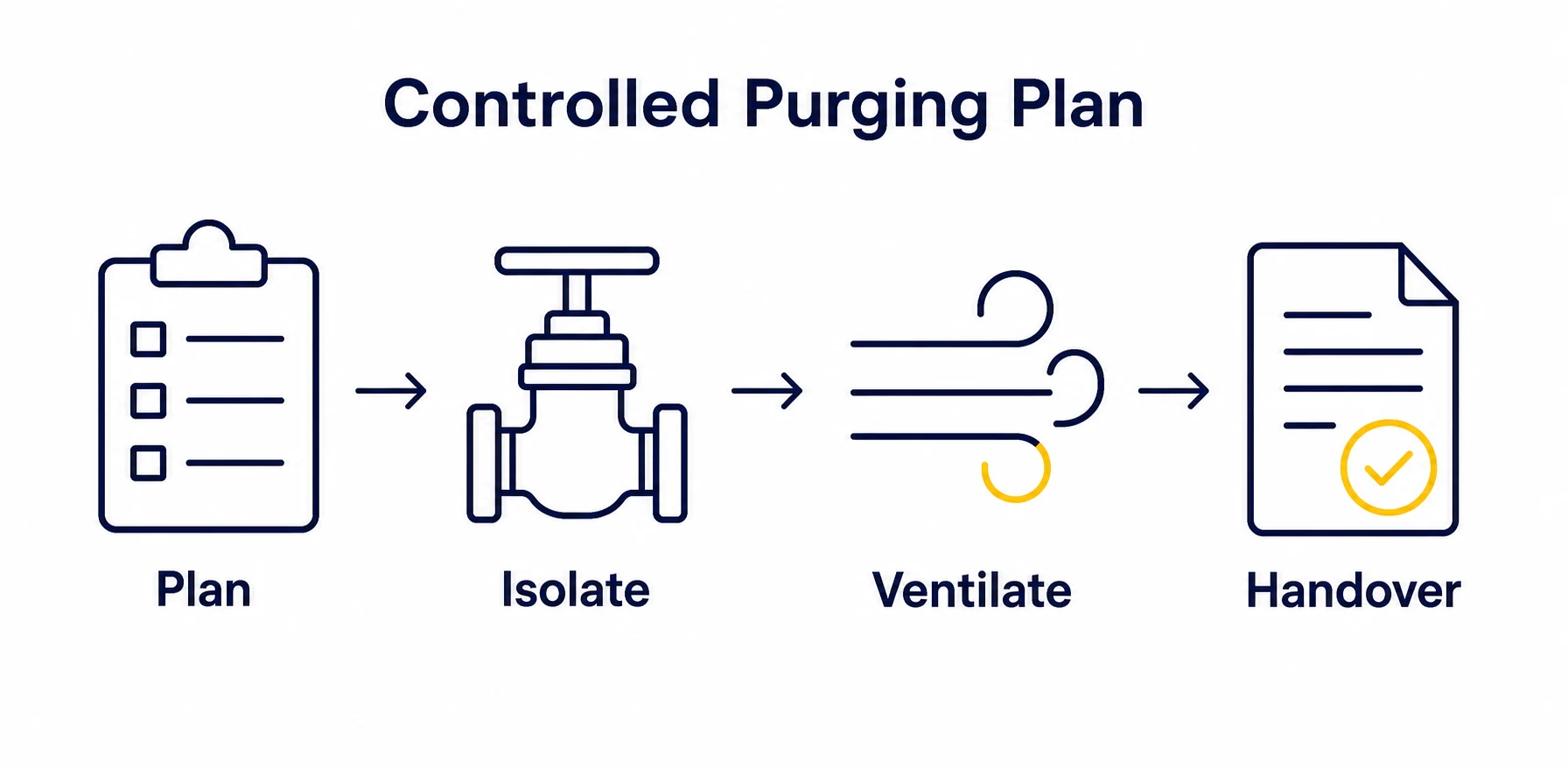
Gas purging is not just a technical task at the pipework. On an occupied commercial site, it sits inside a wider safety plan that considers people, access, isolation, ventilation, equipment, communication and handover.
The aim is to prevent uncontrolled releases, avoid confusion around live and isolated pipework, and keep building users away from the working area. That matters in many commercial settings, including offices, hospitality premises, education buildings, healthcare premises, industrial units and shared workplaces. The exact approach depends on the installation, the layout and the work being carried out.
A good plan starts before tools are connected. The engineer needs to understand the route of the pipework, the appliances served, the isolation points, the likely purge points and the places where gas or purge gases could accumulate. They also need to know who is responsible for the site, who can authorise isolation, and what areas must remain operational.
This is where proper coordination protects both safety and continuity. Work zones can be agreed, access can be controlled, appliances can be made unavailable in a planned way, and site users can be told what to expect. For wider project context, Atlas Gas explains the service in more detail on its commercial gas testing and purging service page.
Isolation and proving before purging begins
Effective isolation is one of the most important parts of controlled purging. Before gas is removed from or introduced into pipework, the relevant section has to be clearly separated from the rest of the system. That may involve valves, capped sections, blanks or other suitable arrangements depending on the installation and the work scope.
Isolation should never be treated as a quick assumption. It has to be identified, applied and checked. On occupied sites, this is especially important because other parts of the premises may still be in use. A misunderstanding about what is live, what is isolated and what is being worked on can create avoidable risk.
Engineers will normally confirm the condition of the pipework and connected equipment before the purge activity starts. That can include checking labels, tracing pipe routes, confirming valve positions and making sure appliances or downstream sections are not unexpectedly connected. Where pressure testing is part of the sequence, it should be planned so that test results are understood before the system is made ready for use. The article on commercial gas pipework pressure testing gives helpful background on that stage.
Good isolation also supports communication. When the site contact understands which parts of the system are unavailable, they can manage staff, tenants, contractors or visitors more confidently. Clear status updates reduce the chance of someone trying to restart equipment or reopen an area before the work is complete.
Ventilation, monitoring and controlled release points
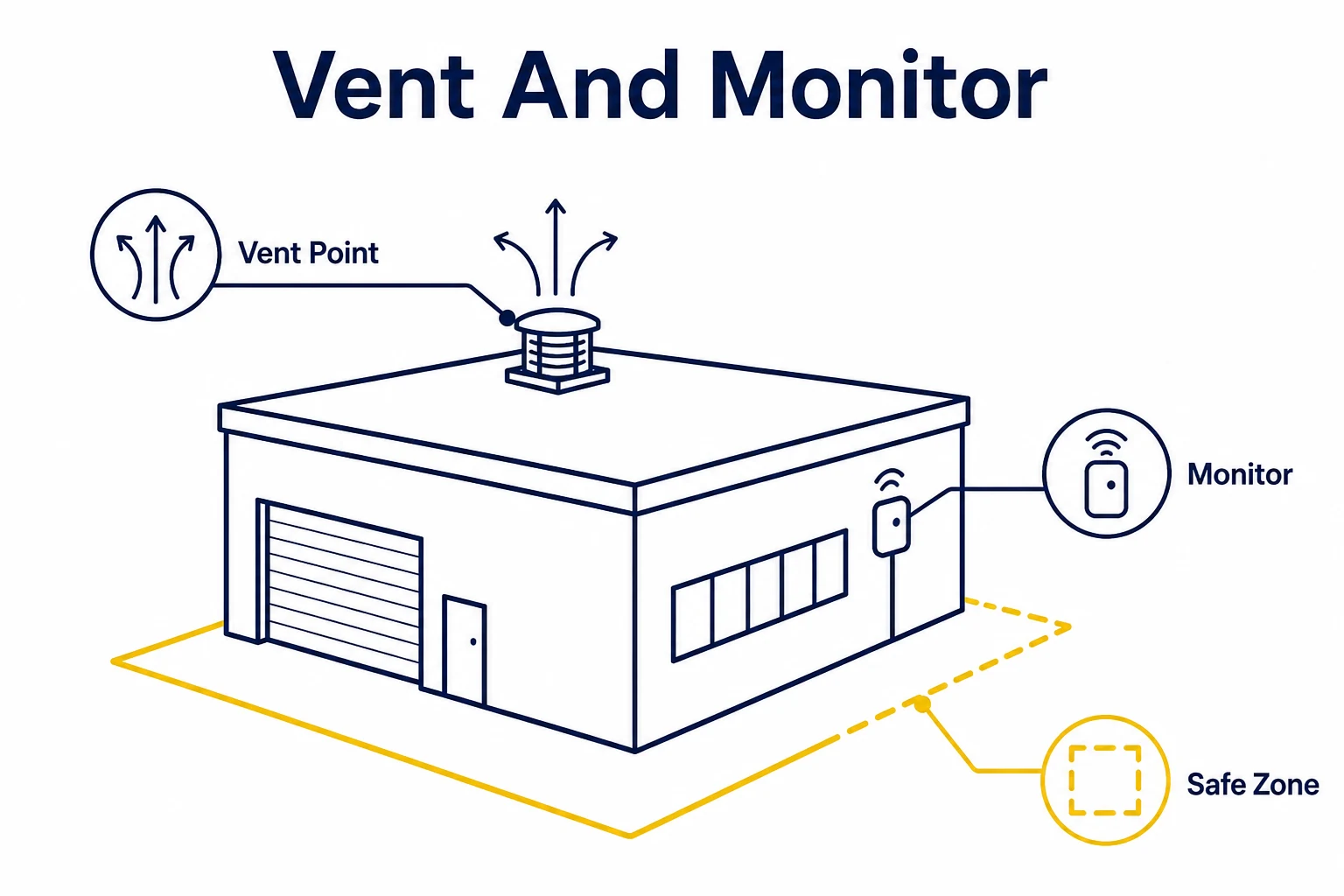
Purging changes what is inside the pipework. Depending on the task, gas may be displaced from the pipework, or air may be displaced as the pipework is prepared for service. Either way, the process has to be controlled so that the mixture does not create unsafe conditions.
Ventilation is central to that control. Engineers consider where purge points are located, how gases will disperse, whether internal spaces need additional airflow, and whether nearby ignition sources or occupied areas need extra control. The correct method depends on the installation and must be assessed by competent people on site.
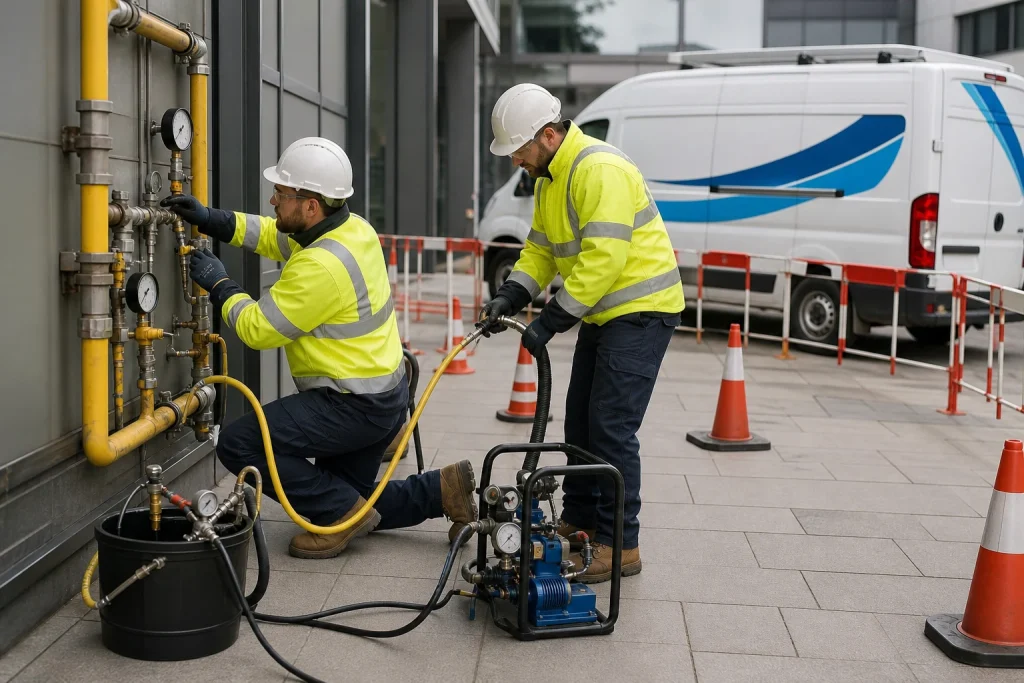
Monitoring is also important. Pressure gauges, test instruments and suitable detection equipment help confirm what is happening rather than relying on guesswork. Readings can support decisions about when a purge is complete, whether further checks are needed, and when the pipework can move to the next stage of the work.
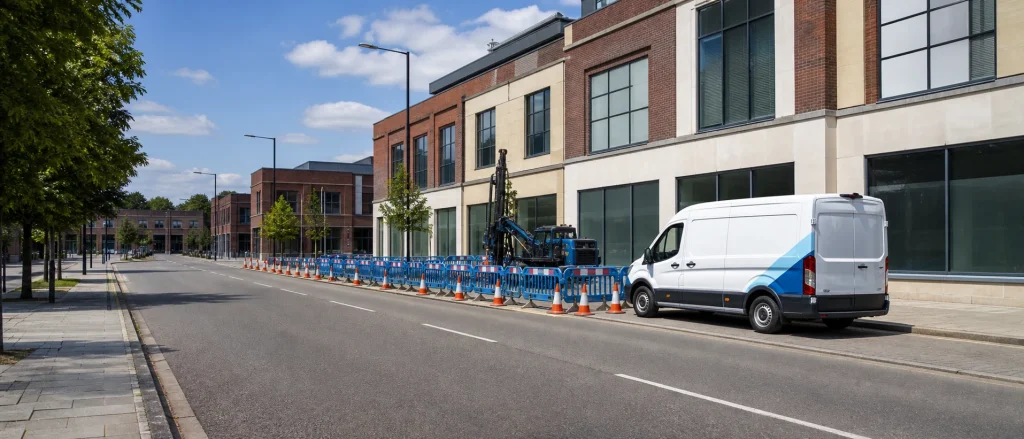
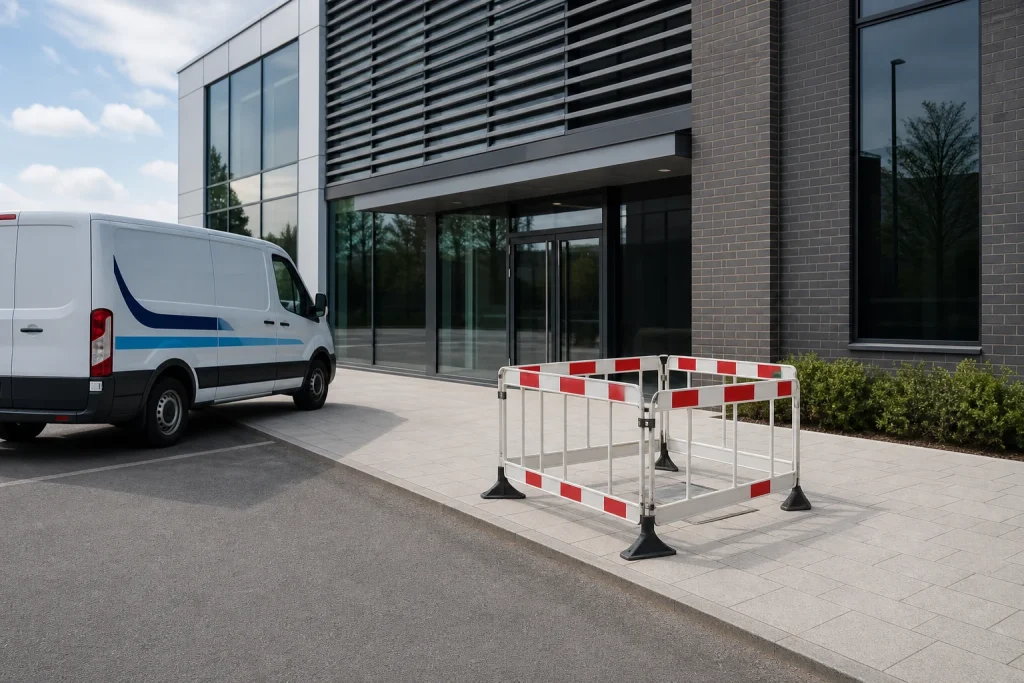
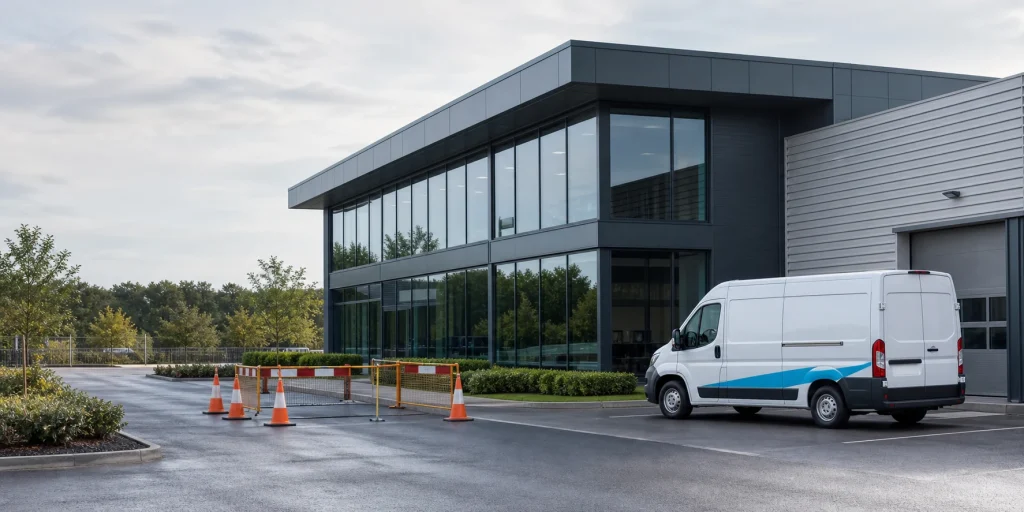
On commercial sites, tidy control of hoses, equipment and access routes matters too. The purging setup should not create unnecessary trip risks or block essential routes without agreement. Barriers and signs help separate the work area from building users, while supervision helps prevent unauthorised access.
The practical point is simple: purging is safest when it is deliberate. Controlled release points, suitable ventilation and active monitoring turn a potentially hazardous change in pipework condition into a managed engineering process.
Reducing disruption while keeping safety first
Occupied premises often need gas work to happen around normal activity. Kitchens, plant rooms, production areas and heating systems can all affect how a building functions. Controlled purging helps because it allows the work to be broken into clear stages.
That does not mean rushing. It means planning the sequence so the site knows when isolation starts, when testing or purging is taking place, what areas are restricted, and when equipment can be returned to service. Good sequencing is usually less disruptive because fewer decisions have to be made under pressure.
Communication is part of the engineering control. A responsible person should know what is being worked on, what should not be used, and who to contact if something unexpected happens. In larger premises, the message may need to reach facilities teams, security staff, managers and other contractors.
Many commercial gas incidents are made worse by poor awareness, poor access control or unclear responsibility. Atlas Gas covers related prevention points in its guide to common commercial gas safety risks.
When the work is planned well, safety and continuity support each other. A controlled work area keeps people away from the task, while a clear programme helps the business understand when normal use can resume.
Safe handover after gas purging
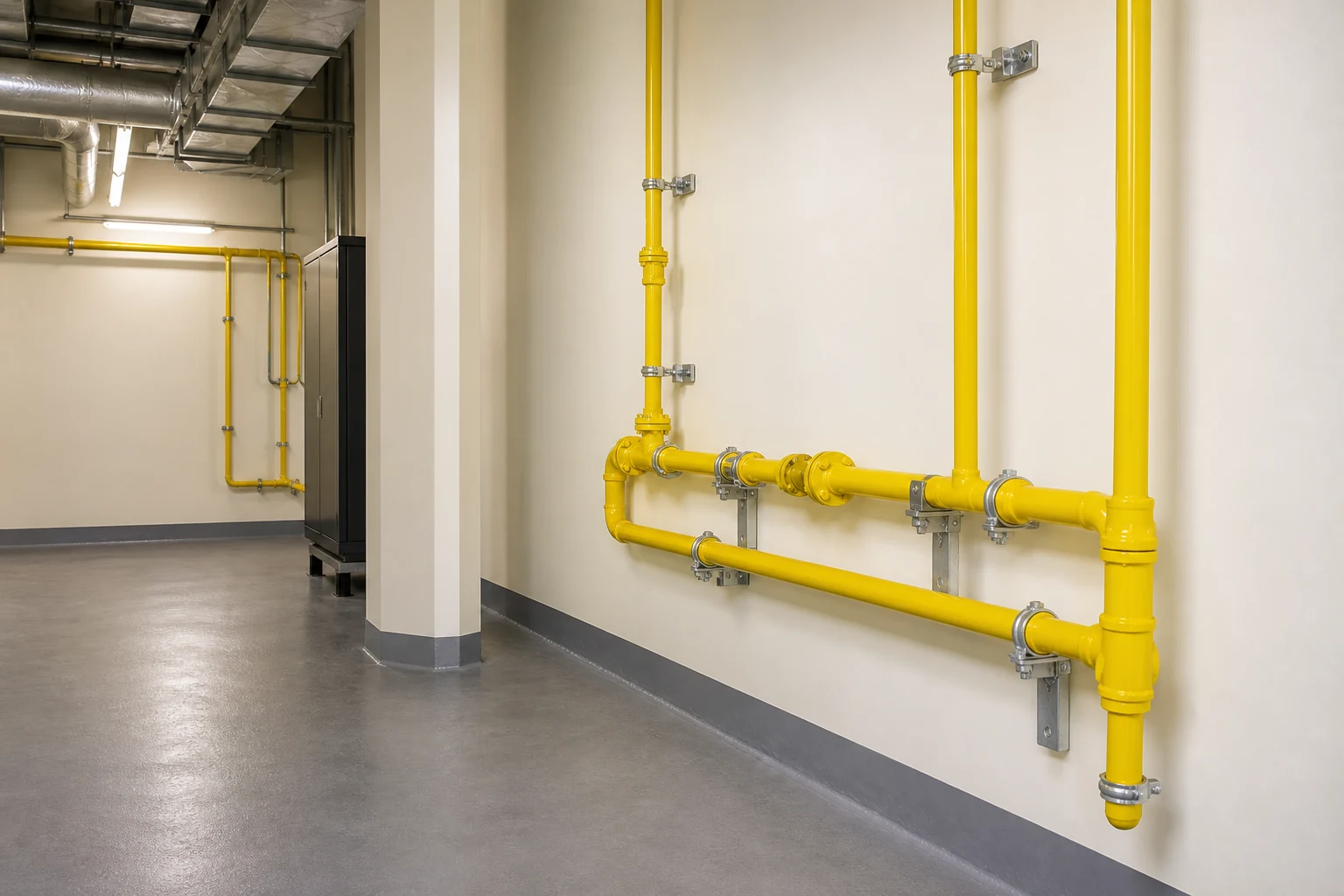
The end of the purge is not the end of the job. Safe handover is the point where the engineer confirms the pipework status, records relevant checks and makes sure the responsible person understands what has been completed.
Handover may include confirmation that isolation has been removed where appropriate, valves have been left in the correct position, appliances or downstream systems are ready for the next required step, and any restrictions are clearly explained. If further work is needed, that should be stated plainly rather than left open to interpretation.
Documentation matters because occupied sites often have several people involved in building management. A clear record helps avoid confusion after the engineer leaves, especially if another contractor, facilities manager or duty holder needs to pick up the next action.
Older systems can need extra care at handover because previous alterations, redundant branches or unclear pipe routes may complicate the work. If the pipework itself is being reviewed or improved, the guide to upgrading old gas pipework in commercial premises explains why condition and layout are important factors.
A good handover is calm and specific. It should leave the site with confidence about what has changed, what has been checked and what remains under control.
When should a commercial site arrange controlled purging?
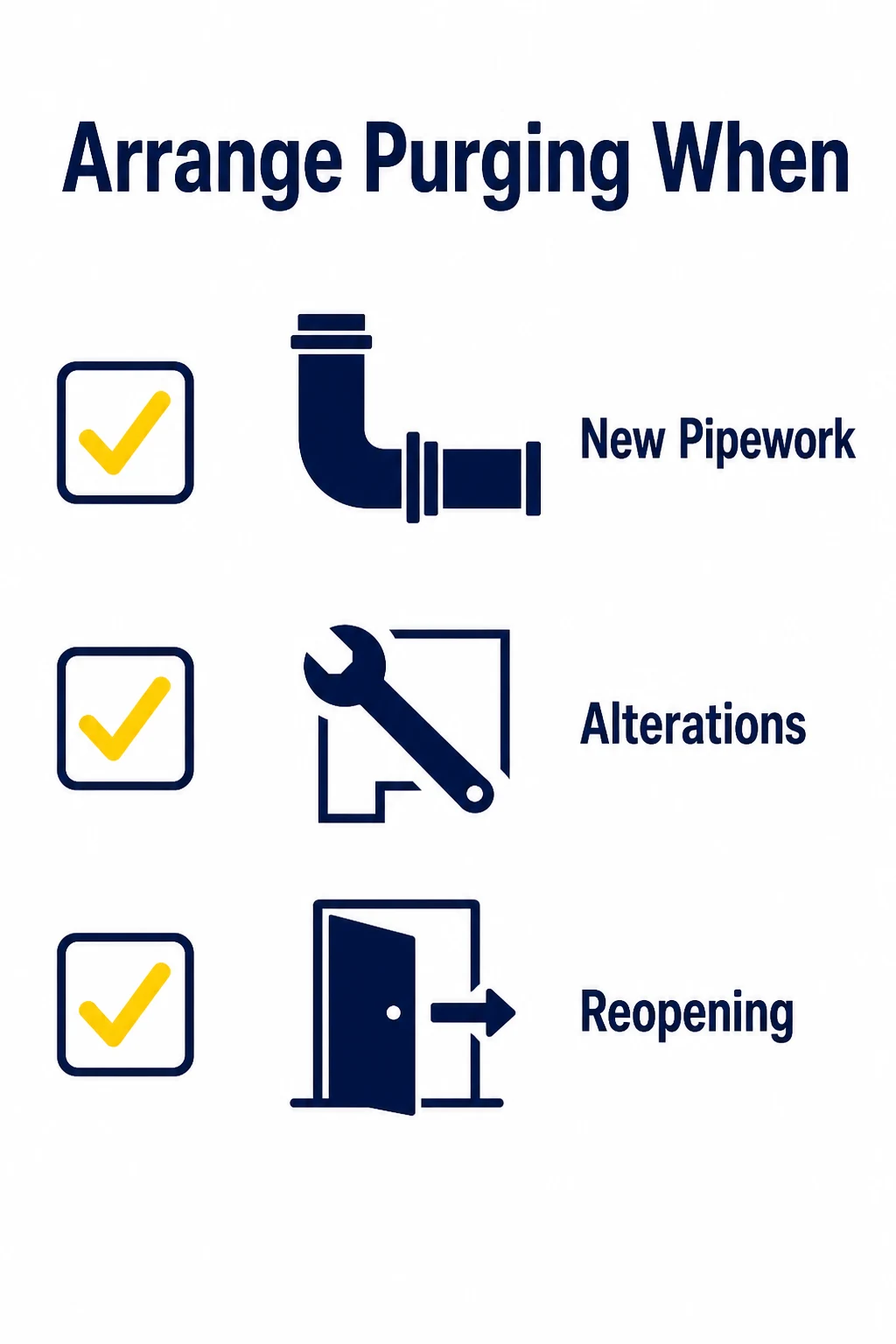
Controlled purging may be needed when new pipework is commissioned, existing pipework is altered, redundant sections are removed, systems are recommissioned, or work is required after testing, repair or investigation. It can also be relevant when larger commercial changes affect how gas pipework is routed or used.
The need should be judged by competent gas engineers, based on the pipework, the appliances, the work scope and the site conditions. Occupied premises deserve particular attention because the risk is not only technical. It also involves people moving around the building, other contractors working nearby and business activity continuing around the job.
If a site is unsure whether purging is required, the sensible step is to ask before work starts. Early advice gives more time to plan isolation, access, timing and communication. It also helps avoid discovering late in the programme that a safe purge route, work zone or handover process has not been allowed for.
For duty holders and facilities teams, the best outcome is predictable: competent assessment, controlled preparation, careful execution and clear sign off. That is what makes purging valuable on occupied sites. It protects people while helping essential commercial gas work move forward in an organised way.
- Controlled gas purging is part of a wider site safety plan, not just a pipework task.
- Isolation, ventilation, monitoring and access control all help protect occupied premises.
- Clear communication reduces confusion about live, isolated and restricted areas.
- Safe handover should confirm the pipework status, checks completed and any remaining restrictions.
- Early planning helps commercial gas work fit around normal site activity more smoothly.
Frequently asked questions
Is gas purging always needed after commercial pipework work?
Not always. It depends on the pipework, the type of work, the gas status of the system and the commissioning or recommissioning requirements. A competent commercial gas engineer should assess the installation before deciding what is required.
Can a commercial building stay occupied during gas purging?
In some cases, parts of a building may remain occupied if the work is properly planned and controlled. The decision depends on isolation, ventilation, access control, the position of purge points and the nature of the premises.
Who should manage communication during purging work?
The site should have a responsible person who coordinates with the engineer and shares clear instructions with staff, tenants, contractors or visitors. This helps prevent accidental use of equipment or access to restricted areas.
What should be included in the handover after purging?
Handover should explain what work was completed, the status of the pipework, any checks carried out, whether equipment can be used, and whether any further action or restriction remains in place.
Plan commercial gas purging with confidence
If your premises need testing, purging, alterations or recommissioning, Atlas Gas can help plan the work with clear controls and practical communication from start to finish.