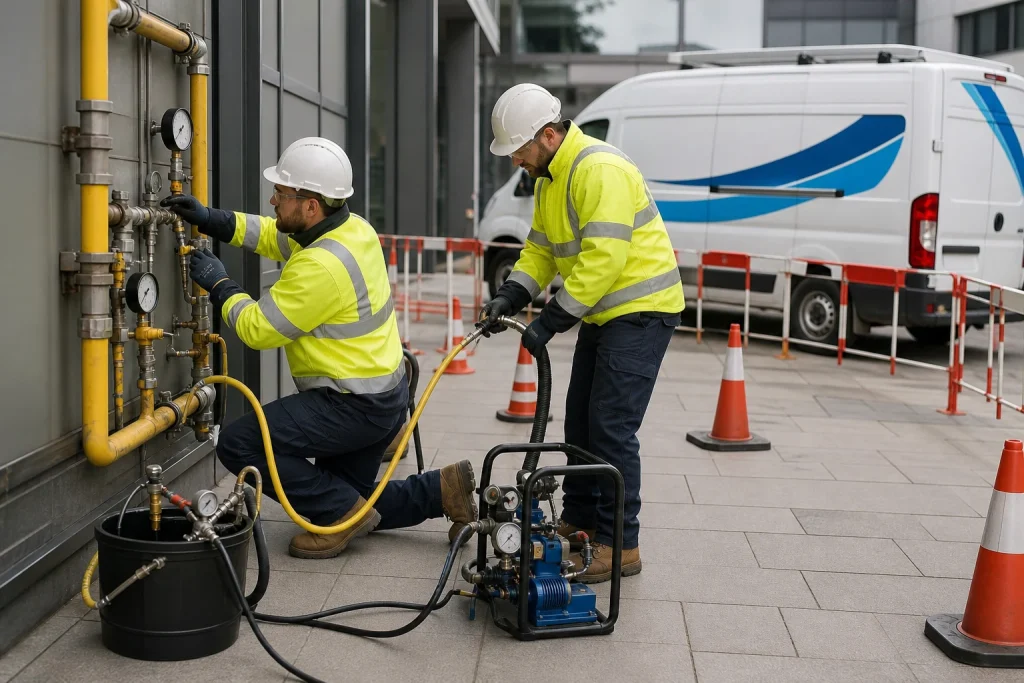
Commercial gas pipework is usually hidden behind plant rooms, risers, yards and service routes, but it has to be proven safe before it is put into use.
Testing and purging are key parts of that process. They help confirm the pipework is sound, remove unwanted air or gas, and give duty holders confidence before appliances are commissioned.
What testing proves before gas is introduced
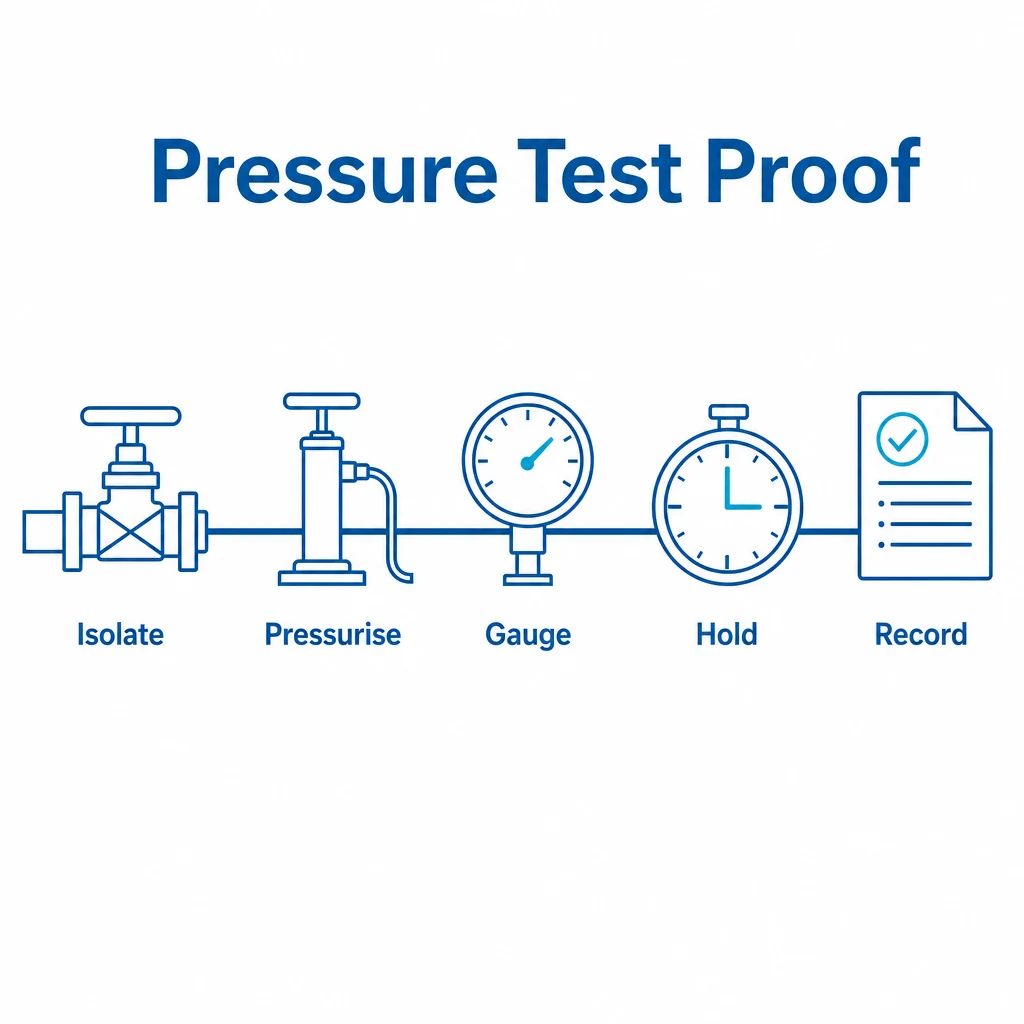
Commercial gas testing is carried out to confirm that pipework can safely hold pressure and that joints, valves and connected sections are not leaking. This is especially important where pipework is new, has been altered, has been isolated for work, or is being brought back into service after a shutdown.
A competent engineer will assess the installation, isolate the correct sections, use suitable test equipment and record the results. The aim is not simply to get a pressure reading; it is to prove that the pipework is suitable for commissioning in its intended commercial environment.
For buyers or facilities teams, the key point is that testing should happen before gas is relied on by boilers, catering equipment, process appliances or other plant. If you are planning new or replacement pipe routes, it is worth considering testing requirements early alongside commercial gas pipe installations.
Why purging is needed as well as testing
Testing and purging are related, but they are not the same task. Testing checks the integrity of the pipework. Purging controls what is inside it.
Before gas pipework is put into service, air may need to be removed and safely replaced with gas. Before maintenance, removal or alteration, gas may need to be removed and replaced with air or an inert gas. Both situations must be managed carefully because the wrong mixture of gas and air can create a flammable atmosphere.
A gas purging engineer considers pipe volume, ventilation, discharge points, exclusion zones, ignition risks and the sequence of work. On commercial gas pipework, the scale and layout can be more complex than a small domestic installation, so assumptions are not enough. Purging must be planned, controlled and checked with suitable equipment.
When commercial gas pipework normally needs testing and purging
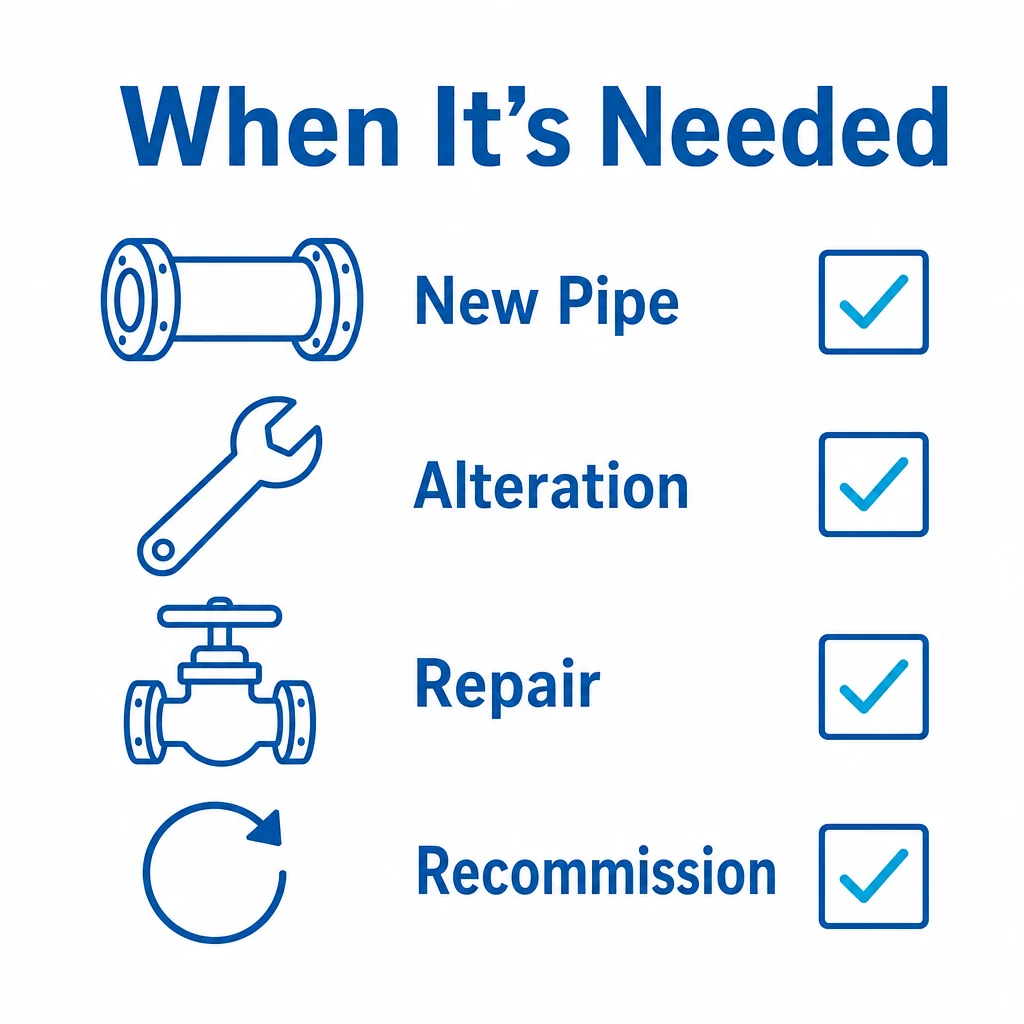
Commercial gas testing and purging may be required at several stages in the life of an installation. Common examples include new pipework, extensions to existing systems, meter changes, plant room upgrades, appliance replacements, pressure changes, recommissioning after isolation and works that involve cutting into pipework.
It may also be needed when a building changes use, when a landlord or duty holder needs assurance over existing gas pipework, or where records are incomplete and the system must be verified before further work continues.
The trigger is not only the size of the pipe. It is the risk presented by the system, the gas volume involved, the environment around the work and whether the person carrying it out is competent for that specific commercial task. If in doubt, the safest approach is to ask before work starts rather than trying to solve problems at commissioning stage.
What competent engineers check on site
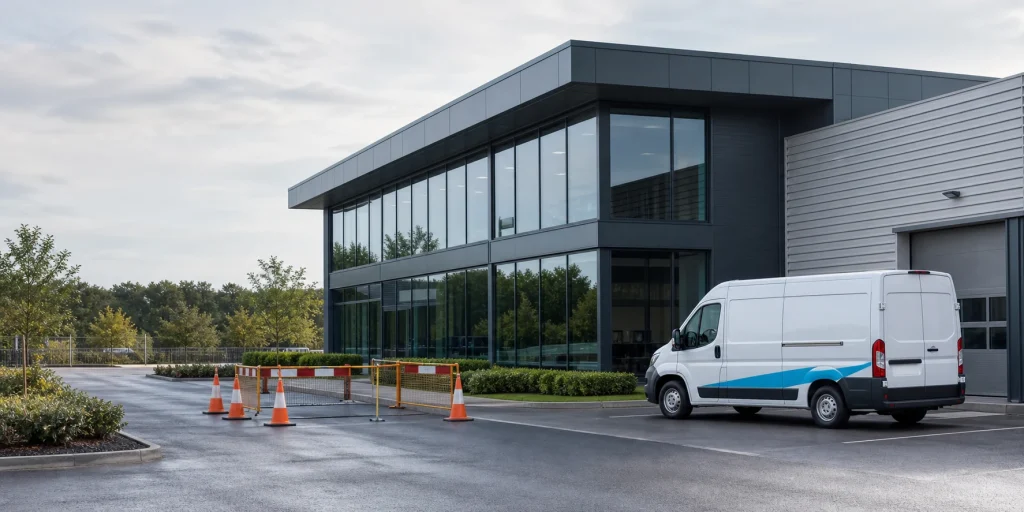
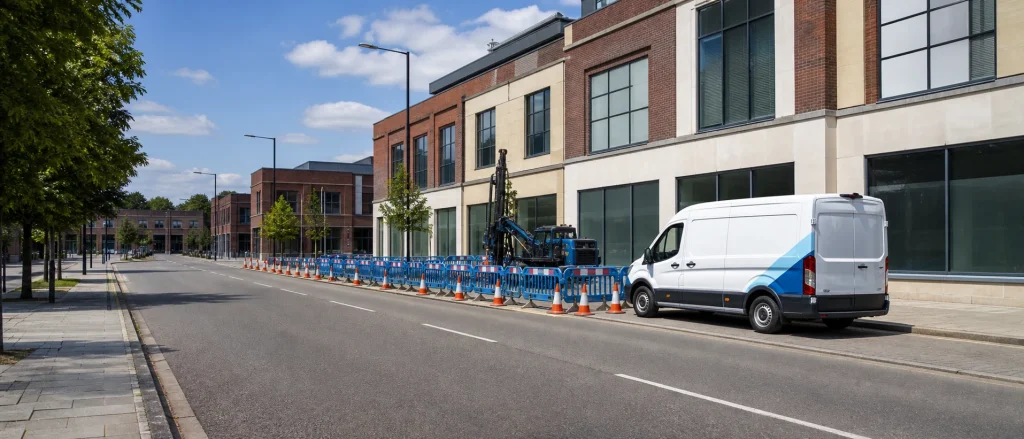
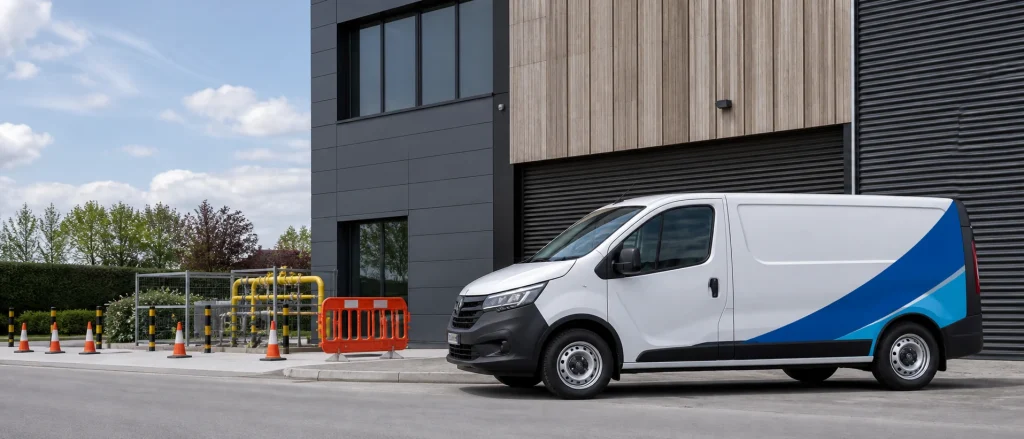
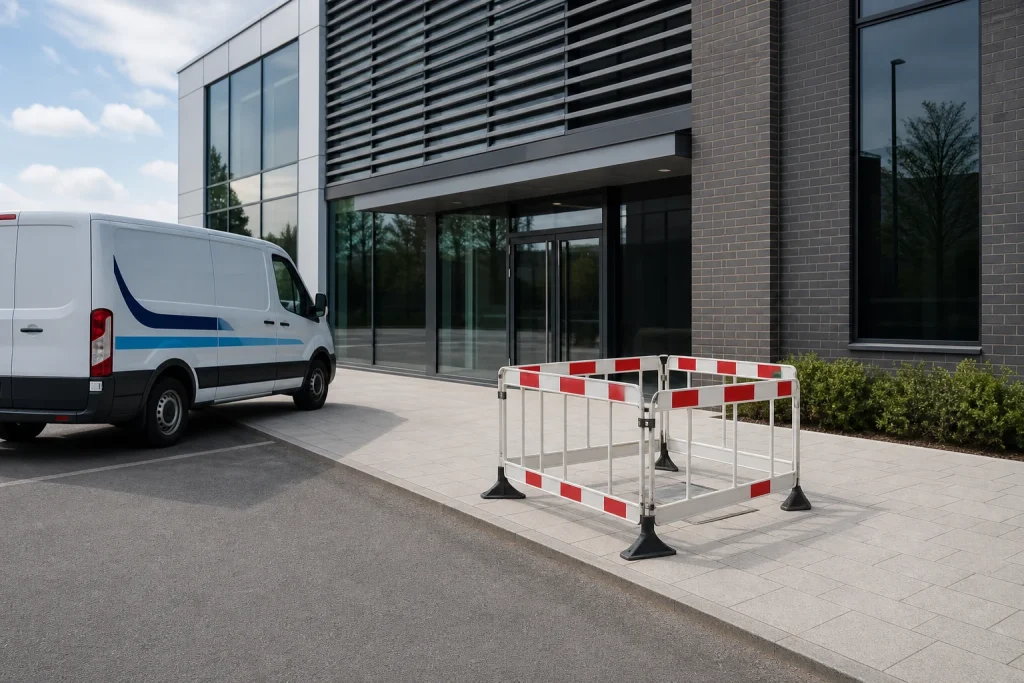
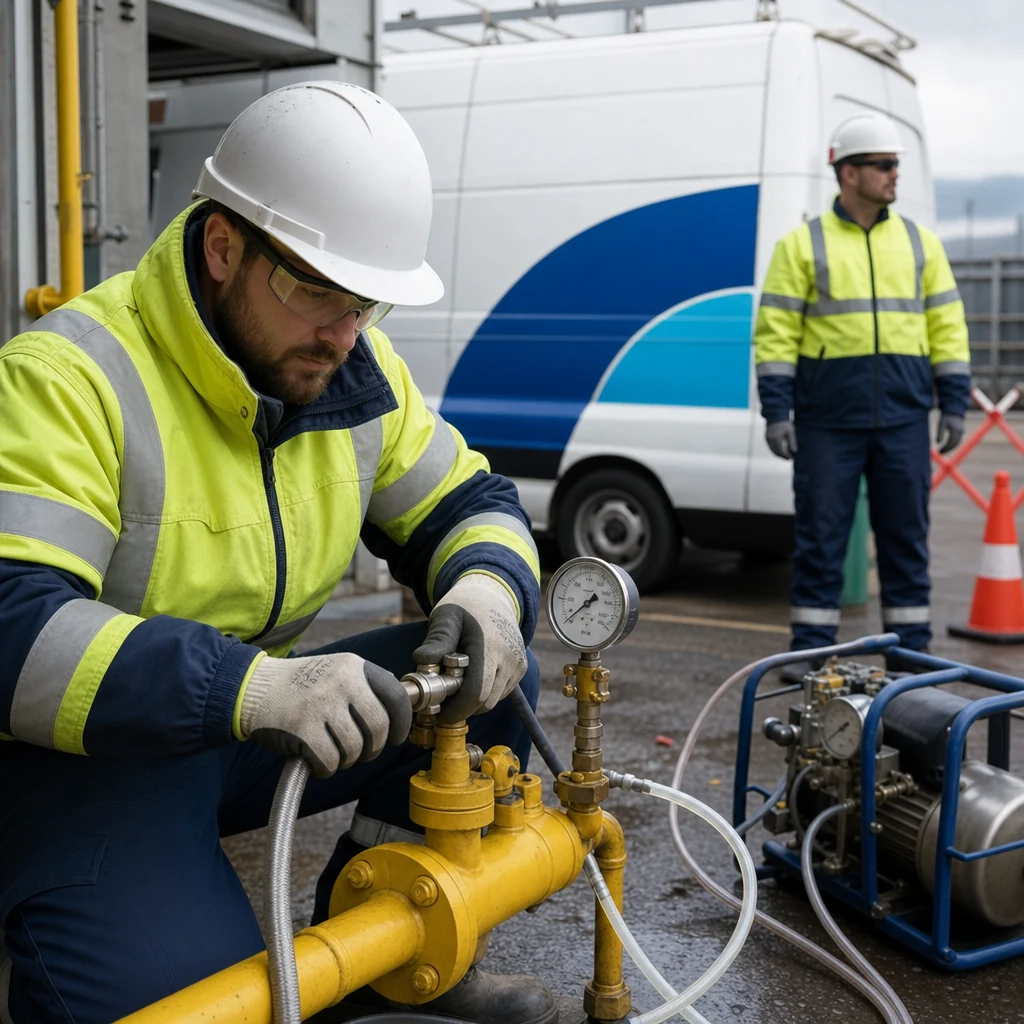
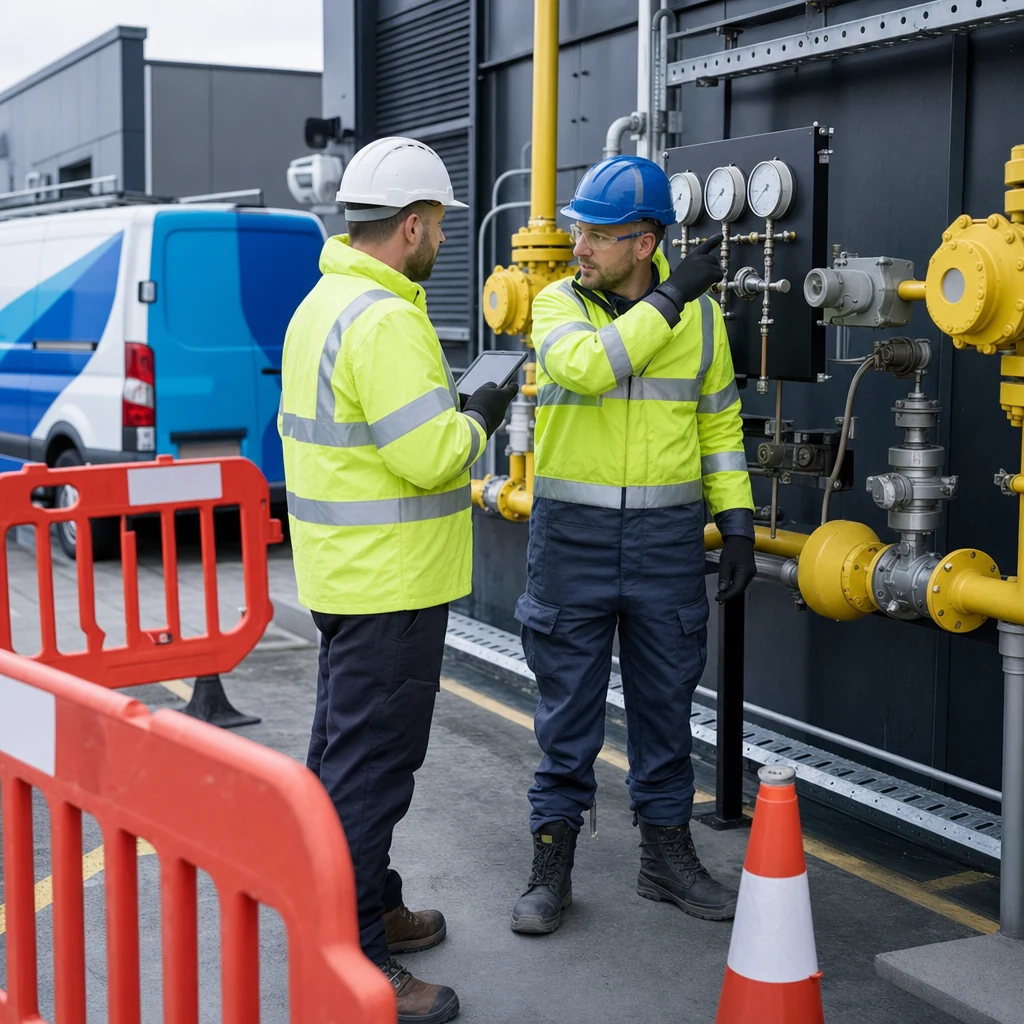
A professional visit starts with understanding the system: drawings if available, visible pipe routes, valves, regulators, meters, appliances, access points and any areas where the public or other trades could be affected. Good site control matters, so expect clear working zones, barriers where needed, tidy hoses and gauges, and appropriate PPE.
The engineer will use calibrated or suitable test equipment, follow recognised procedures and record the outcome. For purging, they will also consider how gas or air will be introduced and discharged, how readings will be monitored, and how ignition sources will be controlled.
Documentation is important because it provides an auditable record for commissioning, facilities management and future maintenance. It also helps the next engineer understand what was tested, which section was involved and whether any limitations or follow-up actions were noted.
How this supports safer commissioning
Testing and purging give commissioning teams a safer, clearer starting point. Appliances can only be set up correctly when the supply is sound, available and suitable for use. If pipework integrity or internal atmosphere is uncertain, commissioning should not be treated as a formality.
For project managers, the practical benefit is coordination. Gas pipework commercial projects often involve builders, mechanical contractors, facilities teams and end users. Planning the test and purge point helps avoid confusion over handover responsibilities and ensures the right people are present when the system is made live.
Atlas Gas provides commercial gas testing and purging support for planned works, alterations and commissioning where specialist gas engineering input is required.
- Testing proves commercial gas pipework is sound before it is relied on.
- Purging safely controls the air or gas inside the pipework.
- Competent engineers plan the work around volume, risk, ventilation and site conditions.
- Records from testing and purging support commissioning, handover and future maintenance.
Frequently asked questions
Is gas pipework testing the same as purging?
No. Testing checks whether the pipework holds pressure and is free from leaks. Purging controls what is inside the pipework, such as removing air before gas is introduced or removing gas before work is carried out.
Who can carry out commercial gas testing and purging?
It should be carried out by a competent gas engineer with the right commercial experience, equipment and procedures for the system involved. Larger or more complex pipework should not be treated like a simple domestic task.
Do existing systems need testing and purging?
They can do. Existing commercial gas pipework may need testing or purging after alteration, isolation, recommissioning, appliance changes, meter work or where the condition and records of the system need to be verified.
What should I prepare before booking an engineer?
Useful information includes available drawings, pipe sizes if known, appliance details, access arrangements, isolation points, site rules and the reason the work is needed. The engineer can then plan the safest method.
Need practical guidance?
If you are planning work on commercial gas pipework, Atlas Gas can help you understand what testing, purging and commissioning support may be needed.